Calling for more effective crime reduction policies, the section conducts crime analysis using Geographic Information Systems (GIS) and evaluates anti-crime initiatives with quasi-experimental design.
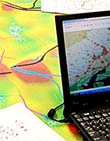
The Crime Prevention Section engages in research toward comprehensive insights into offenders, their targets, and situational factors of incident locations, with the aim of contributing to the development of effective crime prevention policies. Recent research projects include studies on the effect of public surveillance cameras on crimes and disorder and social acceptance, studies on developing measurement and prevention of criminal and analogous acts against young women and children, and studies on case-recording in managing stalking, domestic violence and dating violence at police consultation service.
Studies on Evaluation of Policies for Crime Reduction
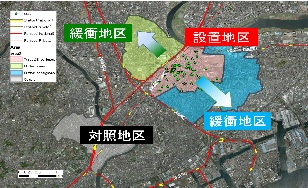
Examining effects of public surveillance cameras on crimes
GIS is used to examine spatial displacement and diffusion of benefit of street crimes caused by installation of surveillance cameras.
Studies on the Risk Factors for Offending and Victimization
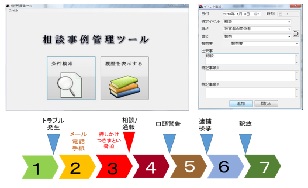
Case management systems for police consultation service
Coding the text in case management files enables us to conduct multivariate quantitative analysis to find risk factors.
Multivariate analyses using various data sources, such as survey, census and police records reveal risk factors which explain victimization of children and women as well as recidivism of ex-convicts and clarify the effects of police response to stalking.
